By combining traditional #farming methods with modern tools & techniques, technology that is “place-based” & socially embedded, we can meet mountain farmers’ needs & make governance more inclusive of mountain areas. A blog post by Filippo Barbera on OECD Development Matters
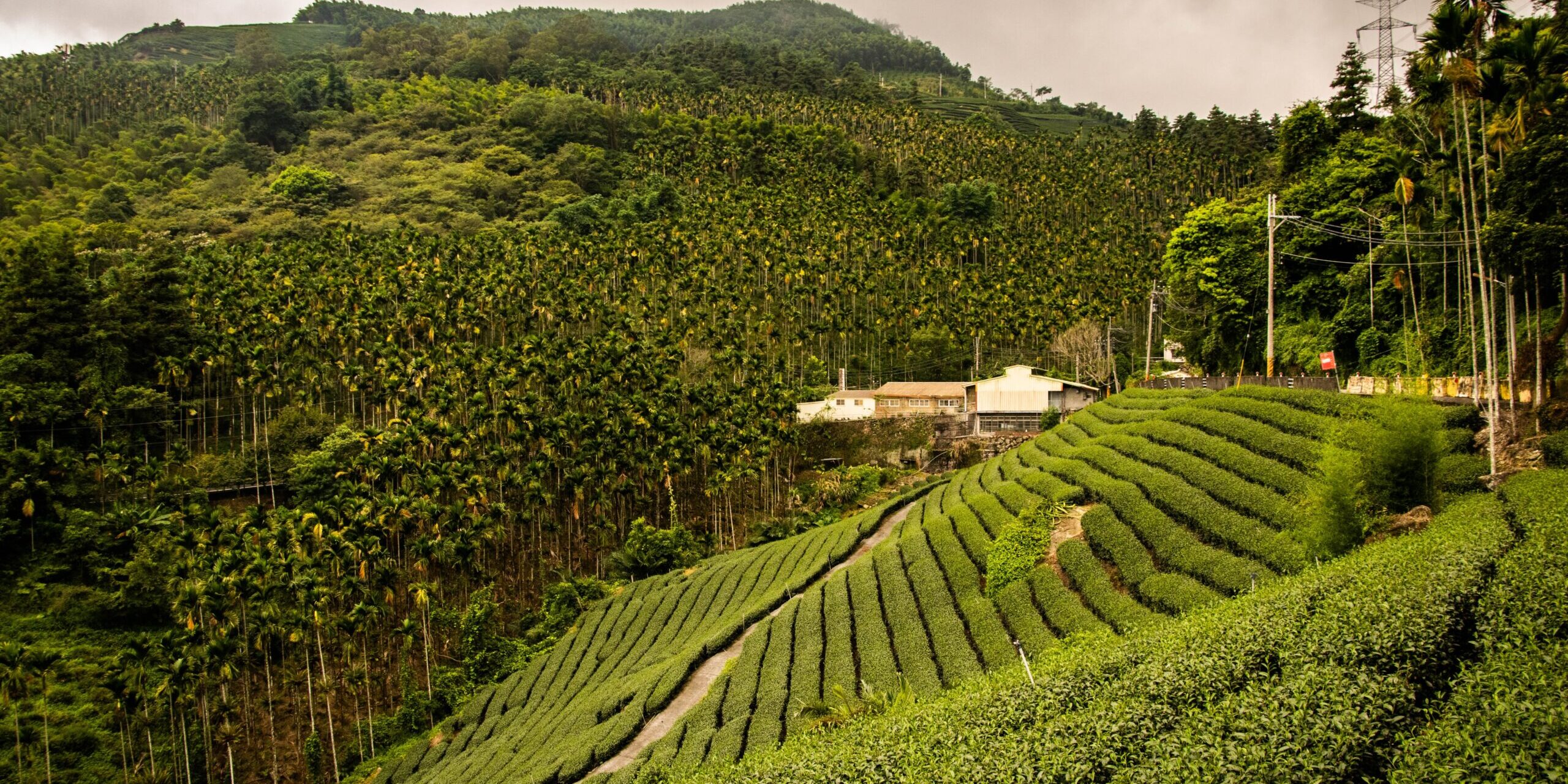
In 53 countries of the world, mountainous areas cover more than 50% of national surface, in another 46, they cover between 25% and 50%. And in many other countries they play key roles, like serving as water reserves. In agriculture, modernisation has whittled away at the scale of assets held by individual farmers or local communities, such as land, labour and local knowledge. The voices of marginal mountain farmers have not been able to find space in this process. However, by combining traditional methods with modern tools and techniques, technology that is place-based and socially embedded can help meet mountain farmers’ needs and make governance more inclusive of mountain areas.
The process of modernisation in agriculture has led to an organisational dominance of the institutional and technological environment, and governance decisions have shifted from farm to industries that produce technological inputs. Consequently, farms have had to reorganise in ways more suitable for development models based on economies of scale. At best, these models serve the needs of lowland agribusiness.
Moreover, mountain farmers suffer from severe physical and morphological limitations on land use that make it impossible to increase the surface of arable land. In fact, these difficulties, which increase production costs and limit productivity, compound the impact of climate and weather conditions in shortening the growing season. Against this backdrop, technology can be helpful to mountain agriculture on two conditions: (i) if it is place-based and (ii) if it is framed as a “socio-technical” system. Technologies per se are inert tools that need to be “converted” to enhance well-being: a latest generation smart-phone does not help a deaf person hear better, as much as a latest-generation tractor does not help a small-scale farmer working in mountainous areas.
ARTICOLI CORRELATI

L'editoriale di Elena Granaglia del settimo numero della newsletter “Quale Europa. Cronache per capire, discutere, scegliere”.
Un approfondimento dal settimo numero della newsletter “Quale Europa. Cronache per capire, discutere, scegliere”.