



In the face of a social and political transformation marked by deep complexity, the direction taken by digital transformation, an extraordinary concentration of wealth and power in a few hands, a powerful authoritarian dynamic penetrating democracy, and its coexistence with neoliberalism, can democracy renew its mechanisms? How? These questions will be at the centre of the three-day event “Democracy put to the test” organized by Forum Disuguaglianze e Diversità and Palazzo Ducale, that will take place at Palazzo Ducale in Genova from 23 to 25 January 2026. The perspective is not the exhausting one of the “crisis of democracy”, since democracy, by its own nature, is never a given, but is a system that legitimizes and governs conflicts and tensions, and thus it is in a permanent state of change and must continuously adapt its mechanisms to the context and regenerate. The problem today is the delay in this adaptation.The starting point is provided by a set of assumptions, curated by Fabrizio Barca and Luca Borzani, which will be challenged during the three-day event. There will be presentations on the United States, India, China and Italy, as well as the point of view of young generations on democracy put to the test. The discussion between speakers from different disciplines and fields of action, from all generations and different countries, will help to understand “what to do”. Guest include: Gaetano Azzariti, Vincent Bevins, Lucio Caracciolo, Jayati Ghosh, Evgeny Morozov, Serena Sorrentino, Susan Stokes, Nadia Urbinati, Chiara Volpato.
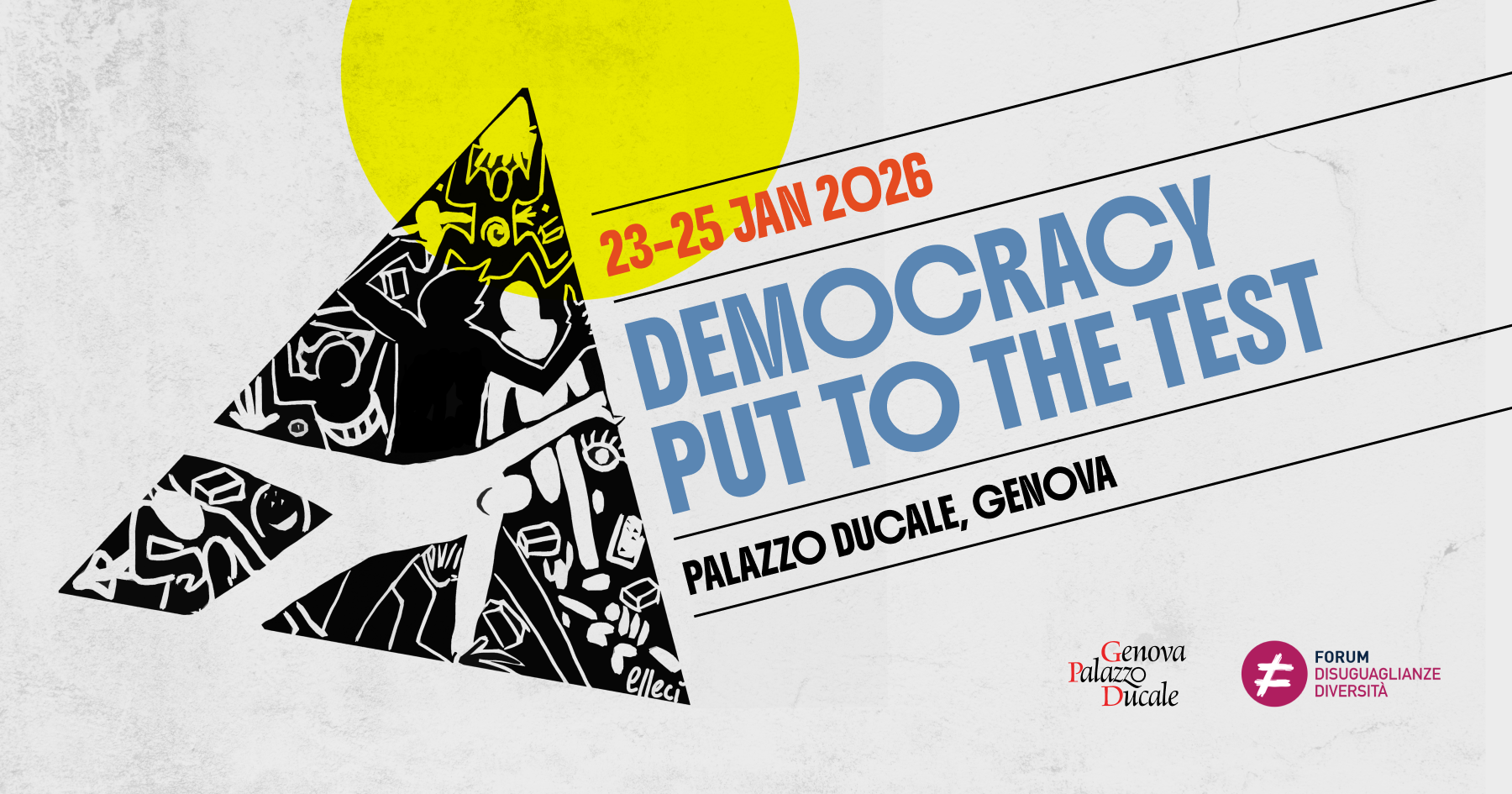
The poster design is by Lorenzo Calza, screenwriter and cartoonist. The graphic design is by the No Panic communications agency, which is part of the entire initiative.
The Sessions and the questions
The first two sessions “Democracy, the State, neoliberalism and authoritarianism: past and present” and “Democracy, the State, neoliberalism and authoritarianism: future” intersect each other by looking at the same events from two different perspectives: the state of the art today and how it came about; the foreseeable future. In the first session, the inquiry concerns mostly the issues to which neoliberalism first, and authoritarianism later, have given answers that democracy was failing to provide. It also addresses the reasons why these have become hegemonic and have started to coexist, and the main features of the authoritarian dynamic. The second session, discusses mostly whether and how democracy has tried to react and can still react to the current test and whether and how the current imbalance of social, economic and political power can be changed: attention will be paid to the governance of public decision-making and to the role and interaction of culture/communication and digital technology.
- 1. What are the essential features of constitutional democracy and how have they been eroded by neoliberalism and undermined by authoritarianism?
2. Are there context transformations (such as the increase in complexity) to which democracy has failed to adapt and to which neoliberalism and authoritarianism respond? - 3. Can the powers and scale of the contemporary state peacefully coexist with capitalism? And under which conditions?
- 4. What are the general features of emerging authoritarianism, and what are its strengths in the battle for common sense?
- 5. How do authoritarianism and neoliberalism coexist? Is their “escalation” sustainable, or are there signs of rupture?
- 6. Big Data, platforms, AI: is it true that digital technology can be redirected to support democracy? Is the tilt of digital technology to suit the concentration of knowledge and wealth actually reversible? If so, how?
- 7. Why did the democratic revolts of the past decade all over the world fail and often lead to authoritarian turns? And now?
- 8. Are there systematic signs of democratic reaction to the authoritarian challenge? Which collective actions and social conflicts could arise against the current concentration of wealth and power?
- 9. Can democracy respond to the growing complexity and uncertainty to which authoritarianism offers an answer – and with what tools? How can the functions of the State and its modus operandi vis a vis capitalist firms and social enterprises be adjusted?
- 10. How can the mechanisms of decision-making, participation and representation be changed to rebuild people’s trust in democratic institutions? What do existing experiments tell us?
In the third session, “New generations and democracy” the perspective of new generations is adopted: the closure of democratic spaces where a fruitful intergenerational debate/conflict can take place; visions and ideas for renewing democracy coming from youth movements and experiences; their widespread distrust in political organizations and the risk of growing indifference.
- 11. What ideas and suggestions come from the culture, language, experiments and practices of new generations for renewing democratic spaces and mechanisms?
12. Are there new forms of organizations emerging within current movements that explore a compromise between “horizontalism” and “verticalism”? - 13. What obstacles prevent the ideas, experiments and practices of several new-generation avant-gardes from reaching out to a larger share of the new generations themselves and society?
14. And how can art and communication help overcome those obstacles and challenge the prevailing common sense?
In the fourth session, “United States, India and China” we tackle head-on the case of the United States and ask ourselves what the main features of the authoritarian breakthrough are, whether there are signs and chances of a reaction, and to what extent the radical and fast nature of the breakthrough is due to specific traits and the profound crisis of that nation, or rather if it once again signals its anticipatory capacity. By acknowledging that we live in the century of Asia, we also address similar questions for the world’s largest democracy, India, and focus on the unique authoritarian model of China, enquiring into the features of its decision-making process.
- 15. U.S.: What are the main features of the current authoritarian dynamic? Are antidotes against authoritarianism at work and what is the role of economic elites and civic society? How much is the current trend the result of national specificities?
- 16. India: What is the current situation of the world’s largest democracy? What are the main features and what is the extent of the current authoritarian dynamic? What are the prospects for reaction?
- 17. China: How are strategic decisions taken? Does the decision-making process involve the people and how? What is the ultimate nature of the institutional system and of the coexistence of capitalism and authoritarianism?
The three-day event concludes with a fifth session that tackles the case of Italy. We inquire into the premises and specificities of the ongoing authoritarian dynamic, its connections with Italian capitalism and society, the causes of a high rise in electoral absenteism, the challenge of changing the current common sense, and opportunities for radical political reaction by organized labor, active citizenship, and political parties.
- 18. What are the specific features of the authoritarian dynamic in Italy? What is its relationship with the forms of society and capitalism? Why is electoral absenteism so high?
19. How relevant is the prevailing common sense in driving the authoritarian dynamic? How can it be challenged to rebuild collective hope? Which role for our constitutional principles? - 20. In what ways can labor unions, active citizens organizations and grassroots movements contribute to the rebuttal of the authoritarian dynamic and to the revival of democracy? How can their local experiences generate systemic impact?
- 21. What form can political parties take – if any – to rebuild trust in institutions, gather and connect local and systemic know- ledge, recreate representation, and renew democracy?
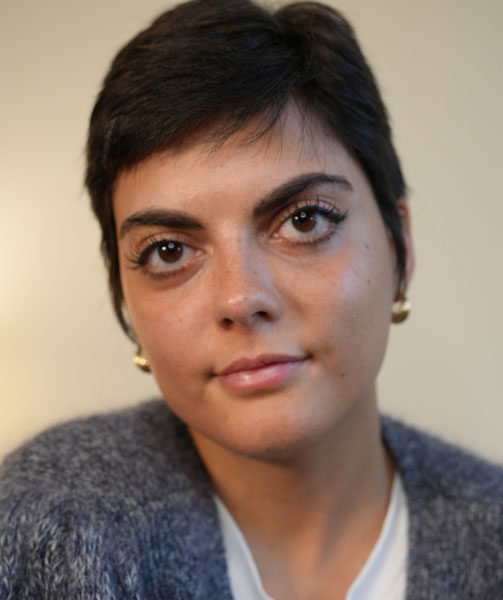
Melissa Aglietti
Melissa Aglietti is curious by profession for over thirty years. She collects stories for a living and lives to collect stories. She is a freelance video author, journalist and videomaker. In 2024, she made her first documentary, Cosa sei disposto a fare per una vita?, about the stories of those who cross the Mediterranean for one reason or another. In her spare time, she investigates the disorientation of a generation in her newsletter Lag Mode.
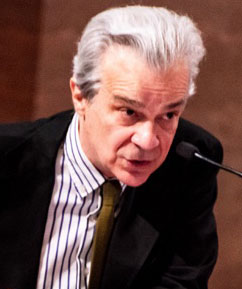
Gaetano Azzariti
Gaetano Azzariti is a professor of constitutional law at the Faculty of Law of the University of Rome La Sapienza. He is editor-in-chief of “Politica del Diritto” (print magazine) and “Costituzionalismo.it” (online magazine). He is a columnist for the daily newspaper “Il Manifesto” and he is president of the association “Salviamo la Costituzione”. His publications include: Dove è finito il pensiero critico? (Manifestolibri 2025); Diritto o barbarie. Costituzionalismo moderno al bivio, (Laterza, 2021); «È dell’uomo che devo parlare». Rousseau e la democrazia costituzionale (Mucchi 2020).
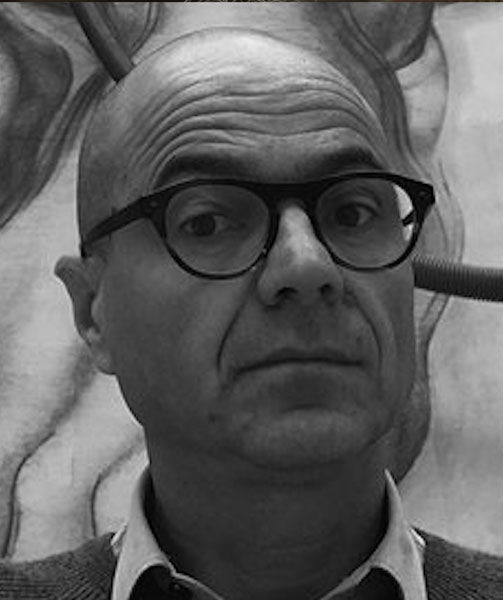
Filippo Barbera
Filippo Barbera is Professor of Economic and Labour Sociology at the CPS Department of the University of Turin and fellow at the Collegio Carlo Alberto. He is a member of the Forum Disuguaglianze e Diversità. He deals with fundamental economics, the development of marginalised areas and applied social theory. His recent publications include: Le piazza vuote (Laterza, 2023, sec. ed. 2024), Contro i borghi (a cura di, con D. Cersosimo e A. De Rossi, Donzelli, 2022
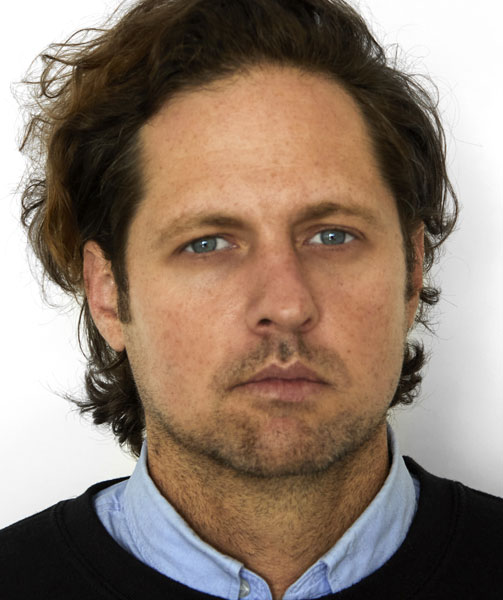
Vincent Bevins
Vincent Bevins is a journalist, writer, author, he has been foreign correspondent on the field for several international newspapers: Washington Post, Los Angeles Times, Financial Times. He now contributes to The Nation and the London Review of Books. Together with a massive number of articles, his experience and understanding is embodied in two international bestsellers: If We Burn. The Mass Protest Decade and the Missing Revolution (public Affairs, 2023), The Jakarta Method (Public Affairs, 2020).
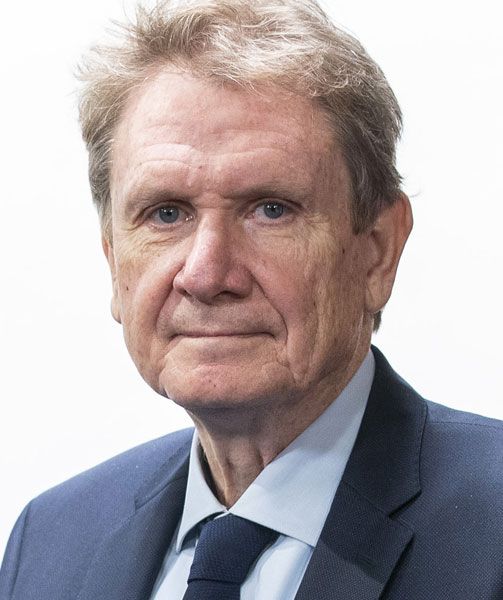
Lucio Caracciolo
Lucio Caracciolo is a journalist and the editor-in-chief of the Italian geopolitical magazine Limes. He worked, as a journalist, for Nuova Generazione, La Repubblica, MicroMega. He writes for La Repubblica and La Stampa. He has taught courses and seminars on geopolitics at several universities. His publications include: La pace è finita (Feltrinelli 2022), Storia contemporanea, con Adriano Roccucci (Le Monnier 2017).
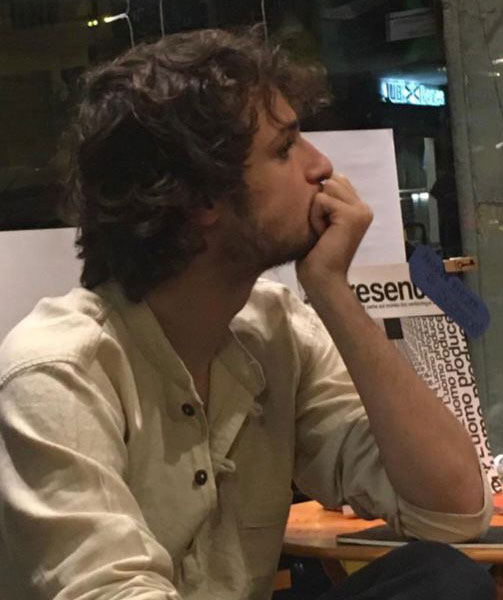
Lorenzo Cirino
Lucio Caracciolo is a journalist and the editor-in-chief of the Italian geopolitical magazine Limes. He worked, as a journalist, for Nuova Generazione, La Repubblica, MicroMega. He writes for La Repubblica and La Stampa. He has taught courses and seminars on geopolitics at several universities. His publications include: La pace è finita (Feltrinelli 2022), Storia contemporanea, con Adriano Roccucci (Le Monnier 2017).
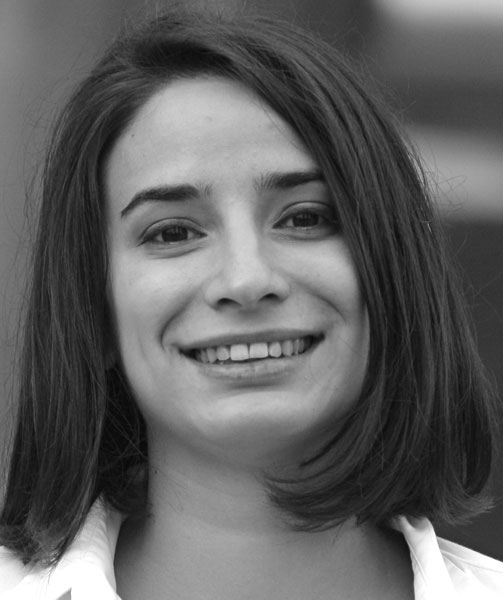
Angela Condello
Angela Condello is Associate Professor of Philosophy of Law. She got numerous international scholarships (US, Germany, France, Belgium, UK) and was principal investigator of a Jean Monnet module on rights and critical legal thinking (2017-2020) and a Jean Monnet project (2016-2017) on work and social identity. She leads the editorial board of several journals, coordinates interdisciplinary editorial series, writes entries for Handbooks and since 2016 has been the scientific coordinator of the Human Rights Report (Italy). Her most recent publications include: Il diritto come metodo e la scienza algoritmica (2022), Law and Humanities (2025), Law, Labour and the Humanities (2019). A book in female freedom and social justice is forthcoming for Einaudi, Vele series. As of 2013 she worked at the Human Rights Comission of the Italian Senate.

Eugenio Damasio
Eugenio Damasio has worked in the communication industry since high school, moving from the organization of regional and national political campaigns to the management of major events such as the Festival della Comunicazione in Camogli. In 2018, he founded No Panic, a communication agency focused on strategic content marketing, design, and social responsibility. He has led projects, including the launch of the 60th edition of the Salone del Mobile, the digital transformation of Genoa CFC, and the social media management of GEDI’s Content Hubs and SIAE’s channels.
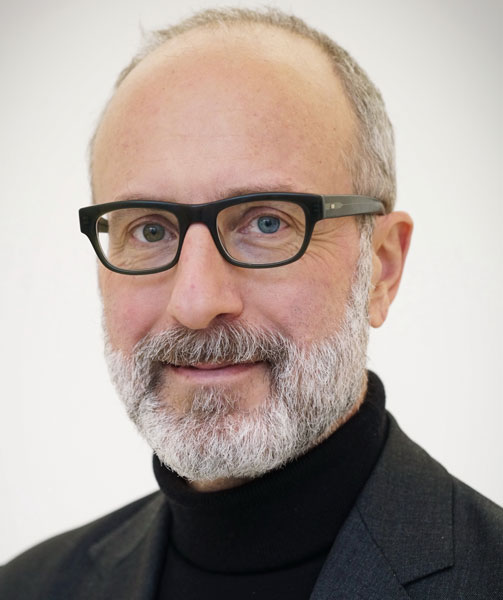
Juan Carlos De Martin
Juan Carlos De Martin is Full Professor of computer engineering at the Politecnico di Torino, where he co-directs the Nexa Centre on Internet and Society. Since 2011 he has been Faculty Associate at Harvard University’s Berkman Klein Center for Internet & Society. In 2019 he created Biennale Tecnologia of which he curated the first four editions. De Martin is a member of the Academy of Sciences of Turin and a member of the Scientific Council of the Treccani Institute. He is the author of over 160 scientific publications and the books Contro lo smartphone: per una tecnologia più democratica (2023) e Università futura: tra democrazia e bit (2017).
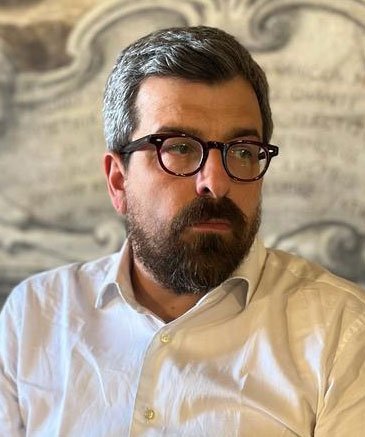
Mattia Diletti
Mattia Diletti is Professor of Sociology of Political Phenomena at the Department of Communication and Social Research (CORIS) at Sapienza University of Rome. He studies the American political system and the relationship between intellectuals, experts and politics. He coordinates the SPAm (American Society and Politics) observatory. In 2024, he published Divisi. Politica, società e conflitti nell’America del XXI secolo (Treccani libri).

Medea Ferrigno
Mattia Diletti is Professor of Sociology of Political Phenomena at the Department of Communication and Social Research (CORIS) at Sapienza University of Rome. He studies the American political system and the relationship between intellectuals, experts and politics. He coordinates the SPAm (American Society and Politics) observatory. In 2024, he published Divisi. Politica, società e conflitti nell’America del XXI secolo (Treccani libri).
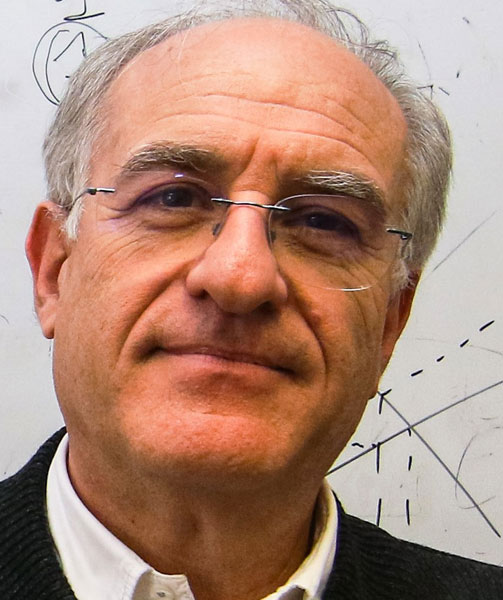
Massimo Florio
Massimo Florio is Professor Emeritus of Public Economics at the University of Milan. He has directed studies on the economic impact of science for CERN and the Italian Space Agency, on biomedical innovation for the European Parliament, and on industrial and regional policy for the European Commission, EIB, and OECD. He is a member of the Forum Disuguaglianze e Diversità. Among his works: Il capitale contro lo Stato (Feltrinelli 2026), State owned enterprises in developed market economies (Cambridge University Press 2024), The privatisation of knowledge (Routledge 2024) .
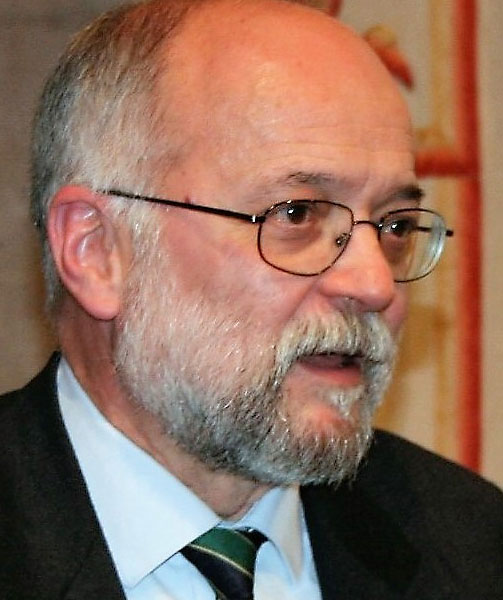
Guido Formigoni
Guido Formigoni is professor of contemporary history at the IULM University in Milan, where he is vice-rector. He specialises in international history, the history of the Italian Republic, and the history of Italian Catholicism in the 20th century. He coordinates the Scientific Committee for the publication of the Opere del card. Carlo Maria Martini. He is a member of the International Scientific Committee of Civitas – Forum of Archives and Research on Christian Democracy (Rome-Bonn-Leuven). Among his many publications are: Italy and the “Shock of the Global” during the 1970s (edited by, Palgrave Mac Millan, 2025 online open access), Storia della Democrazia cristiana 1943-1993 (with two other authors, Il Mulino, 2023); Aldo Moro. Lo statista e il suo dramma (Il Mulino, 2016).
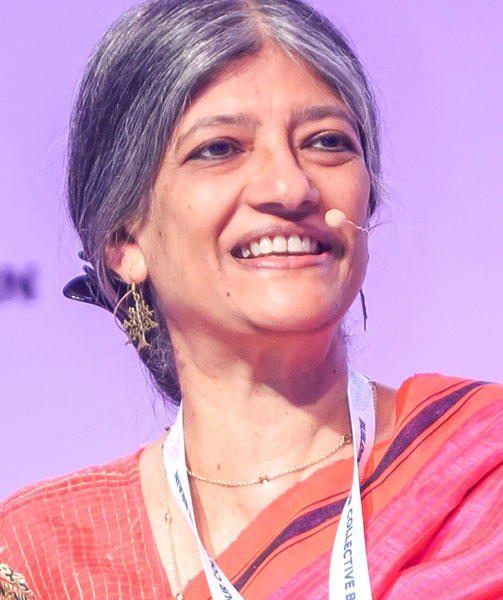
Jayati Ghosh
Jayati Ghosh taught economics at Jawaharlal Nehru University, New Delhi for 35 years, and is currently Professor of Economics at the University of Massachusetts Amherst, USA. She has advised governments in India and other countries and consulted for various international organizations. She has been a member of global boards and commissions, including the UN High-Level Advisory Board on Economic and Social Affairs and the WHO Council on the Economics of Health for All. She writes for popular media. Among her more recent books: The Making of a Catastrophe (Aleph Books 2022), Informal female workers in the Global South (Routledge, 2021) and the co-authored Earth For All: A Report to the Club of Rome (2023).
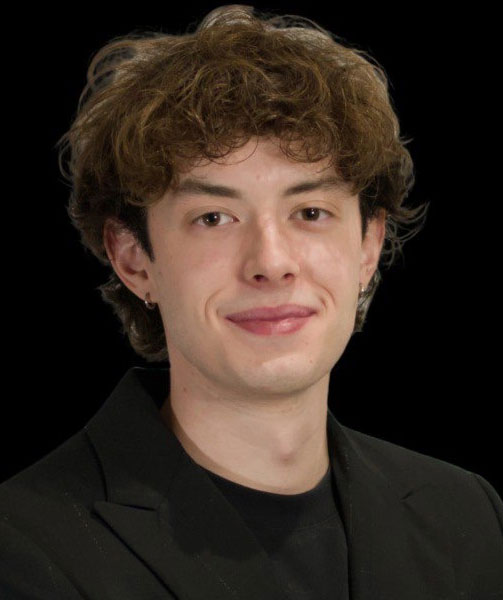
Raffaele Giuliani
Raffaele Giuliani, graduated in 2024 with a degree in Philosophy and Psychological Sciences and Techniques, and is now in his final year of a Master’s degree in Clinical Psychology. He has been expressing his views on current affairs on the web, always with a psychological focus. He fights for rights, justice and equality, and combats the prejudices and stereotypes associated with Gen Z, of which he is a happy member.
Elena Granaglia
Elena Granaglia taught Finance at the Department of Law, RomaTre University. She has always been concerned with the relationship between social justice and economics, with particular regard to the design of taxation and social spending policies. She is co-coordinator of the Forum Disuguaglianze e Diversità and a member of the editorial board of Menabò di Etica e Economia. Her most recent works include ll reddito di base (Ediesse, 2024) and, with G. Riva (ed.), Quale Europa. Capire, discutere, scegliere (Donzelli, 2024), Uguaglianza di opportunità. Sì, ma quale? (Laterza, 2022).
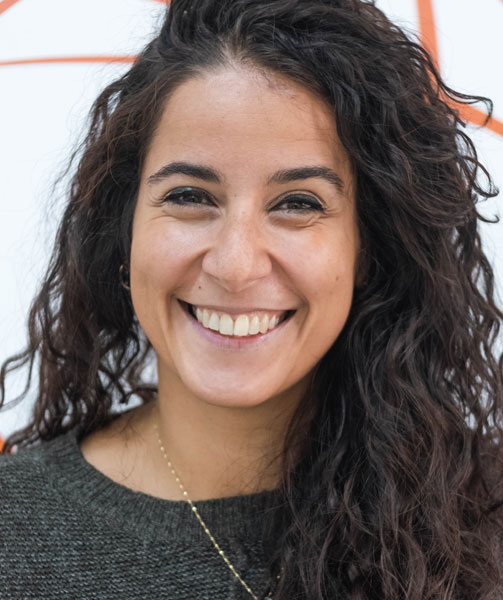
Ismahan Hassen
Ismahan Hassen, with a background in linguistics, is an expert in interculturalism and identity issues related to the ‘new generations’, and she is a working member of the “Dedalus” Social Cooperative in Naples, where she works in promoting active citizenship, intercultural education and youth leadership, with a particular focus on the challenges faced by young people with a migrant background. She has collaborated with numerous Italian and international media outlets, including Yalla Italia, Il Corriere di Tunisi and Al Maghrebiya Italia.
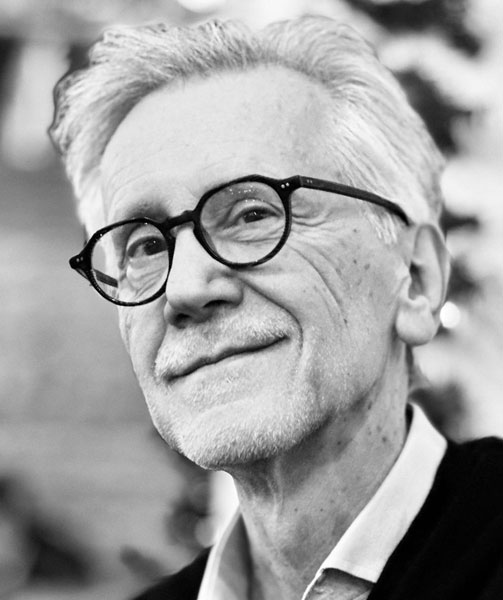
Piero Ignazi
Piero Ignazi, political scientist, is Professor Alma Mater at the University of Bologna and Chercheur Affilié at Cevipof, Sciences Po, Paris. He directed the magazine Il Mulino from 2009 to 2012. He has collaborated with Il Sole 24 Ore, L’Espresso, and La Repubblica. He is a regular columnist for Domani. Among his latest books are: Il populista in doppiopetto. Berlusconi nella politica italiana (Il Mulino, 2024), Il Polo Escluso. Da Almirante a Meloni: la fiamma che non si spegne (Il Mulino, 2023), Partiti ed elezioni nell’Italia repubblicana (Il Mulino, 2022), Partito e democrazia (Il Mulino, 2019).

Alba Lala
Alba Lala is a Councillor of the association Nuovi Profili in Genoa and Acting President of CoNNGI – National Coordination of New Italian Generations. She is engaged in promoting rights, civic participation, and the representation of young people with a migrant background at the national level. She is the co-director of the festival “Pontos – Euromediterraneo in Dialogo”. She is employed as a social worker at a CAS – Extraordinary Reception Center, supporting individuals and families in pathways of reception, autonomy, and social inclusion. She also carries out intercultural mediation and educational activities in various contexts.
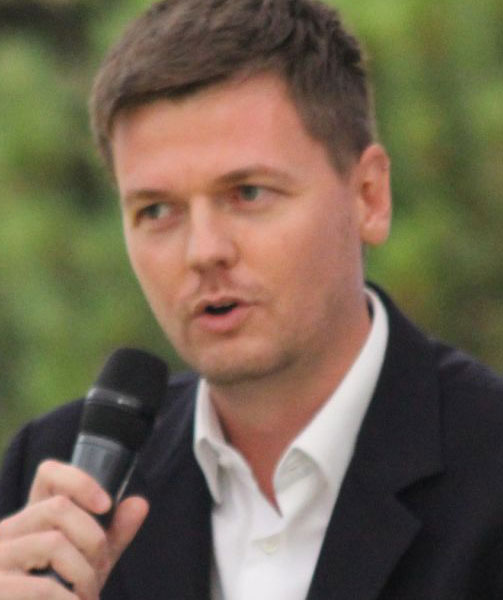
Fulvio Lorefice
Fulvio Lorefice, PhD in Contemporary History from the University of Bologna and Visiting Research Fellow at New York University and Fordham University, has been with Bistoncini Partners since 2018, where he is responsible for scenario analysis and political risk. He is an opinionist on Milano Finanza. Among his books: Disuguaglianza e Conflitto (coautore, Donzelli, 2021), Ribellarsi non basta. I subalterni e l’organizzazione necessaria (Bordeaux, 2017).
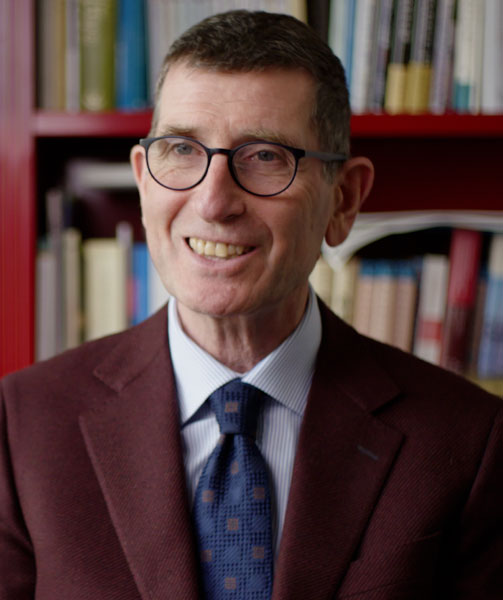
Federico Masini
Federico Masini is Professor of Chinese Language and Literature at Sapienza University of Rome. He also served as Press Officer at the Italian Embassy in Beijing from 1987 to 1990 and has been a visiting professor in China, Japan and Korea. Among his over thirty books and one hundred and fifty articles on the history and teaching of the Chinese language and cultural relations between Italy and China: The Formation of Modern Chinese Lexicon (Berkeley 1997, Shanghai 1999, Osaka 2001, Seoul 2005) and, with Giuliano Bertuccioli, Italia e Cina (Rome 1996, 2014, Beijing 2003, Hangzhou 2023).
Alfio Mastropaolo
Alfio Mastropaolo is Professor Emeritus of political science at the University of Turin. He has written for numerous magazines, such as Il Mulino, Nuvole, Meridiana, and writes for newspapers, covering topics such as democracy, political parties, political and social history, and Southern Italy. His two latest books are: Fare la guerra con altri mezzi, Storia e sociologia del governo democratico (Il Mulino, Bologna, 2023), La democrazia è una causa persa? (Bollati Boringhieri, Torino, 2014).
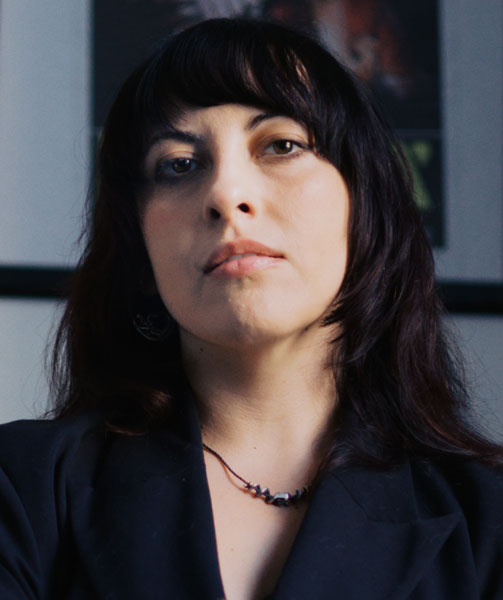
Serena Mazzini
Serena Mazzini is a freelance expert in social media strategy and a mass media critic, with experience in internationally renowned advertising agencies. She teaches advertising, as well as theory and methods of new media at NABA in Milan. Her public work focuses on raising awareness about the risks of the internet, promoting an ethical and conscious approach to the digital world. She contributed to major investigative reports such as the Chiara Ferragni “Pandoro affair.” In 2025, she published the book Il lato oscuro dei social network, Rizzoli.
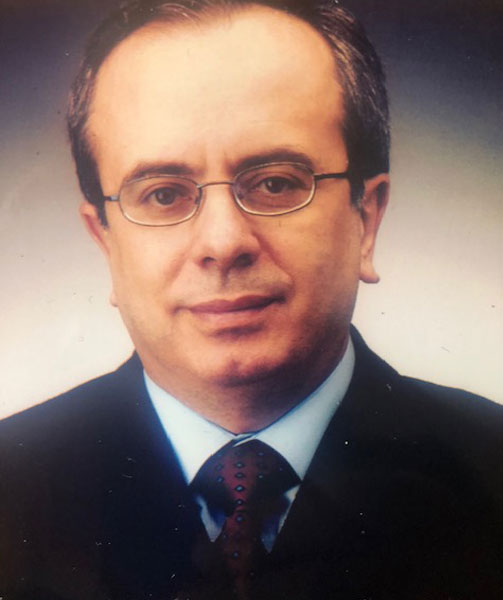
Franco Monaco
Franco Monaco, with a research background in political science, he headed the communications department at the Catholic University and its magazines Presenza and Vita e pensiero. He was president of the political-cultural association Città dell’uomo, and one of the founders of the Ulivo committees. Member of Parliament for four terms. Contributor to various newspapers and periodicals. He currently writes for the daily newspaper Domani.
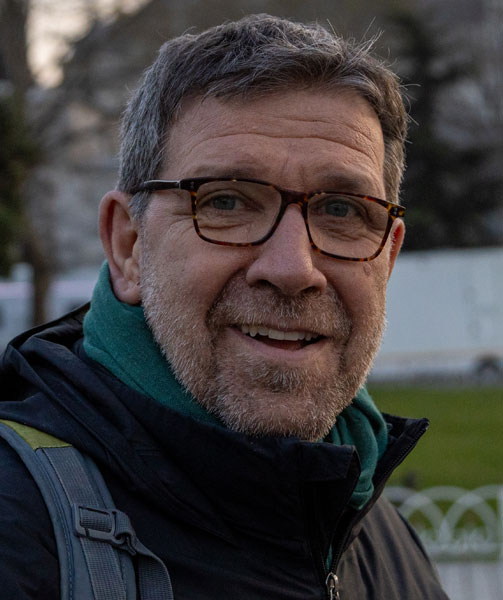
Andrea Morniroli
Andrea Morniroli has been working in the social sector for over 40 years, with a particular focus on urban marginalisation, social innovation processes and educational policies. He is currently Councillor for Social Policies and Education for the Campania Region. He has been a member and administrator of the Dedalus social cooperative in Naples and he coordinated the Inequality and Diversity Forum together with Fabrizio Barca and Elena Granaglia. He is the editor of several national and local newspapers. His last book is Non Facciamo del Bene (Donzelli, 2025, co-author).
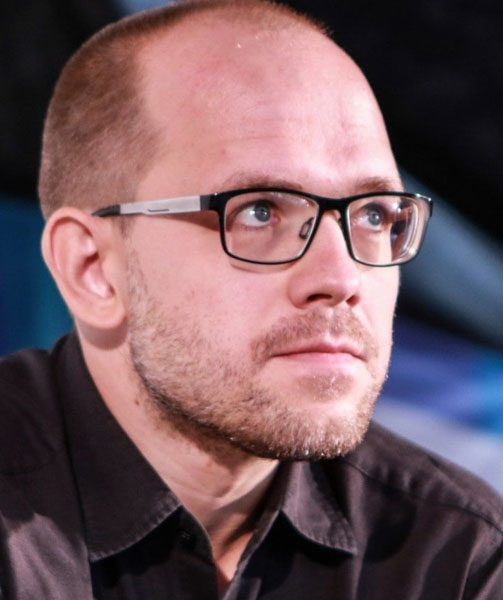
Evgenij Morozov
Evgenij Morozov is a sociologist, writer, journalist, and new media expert interested in studying the political and social effects of technological development. He has contributed, especially with his book The Net Delusion (2011), to the deconstruction of the optimistic view of the democratizing potential of the Internet and “technological solutionism”. In 2019, he launched the “Syllabus” project, a sort of Alexandria library of contemporary information. He writes for numerous magazines around the world.
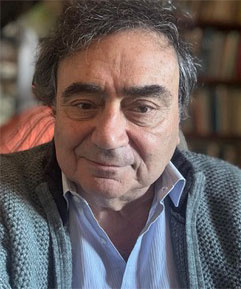
Ugo Pagano
Ugo Pagano è Professor Emeritus of Economic Policy at the University of Siena. He was one of the founders of the Journal of Institutional Economics and has published articles and books in various fields, including welfare economics, positional goods theory, nationalism and globalisation, evolutionary and institutional theory, intellectual property rights, the comparative study of capitalism and theories of evolution. He is a member of the Forum Disuguaglianze e Diversità, of the Scientific Committees of AMDEC and the Basso Foundation. Among his works, “Come sorridere anche noi. Accesso alle conoscenze, crescita economica, e riduzione delle diseguaglianze”, published for Il Mulino with Maria Alessandra Rossi in 2019.
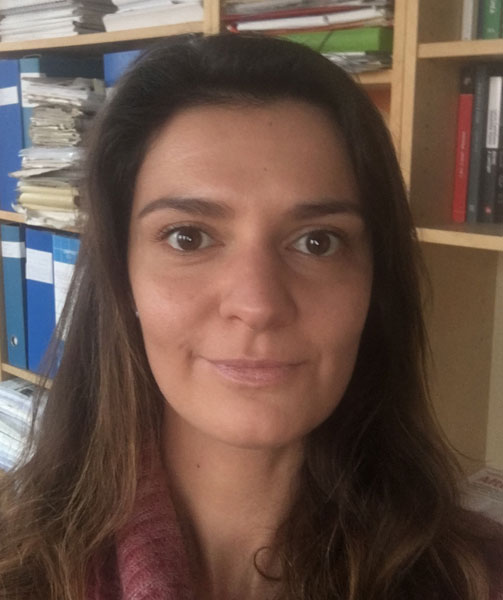
Gloria Riva
Gloria Riva, professional journalist and investigative reporter for L’Espresso, covers inequality, economic policy, macroeconomics and industrial development. She is a member of the International Consortium of Investigative Journalists (ICIJ) for Italy and has published articles on L’espresso Panama Papers, Swiss Leaks, Offshore Leaks, Paradise Papers. In 2020, she published Quel mondo diverso with Fabrizio Barca and Enrico Giovannini for Laterza. In 2024, she published Quale Europa with Elena Granaglia for Donzelli.
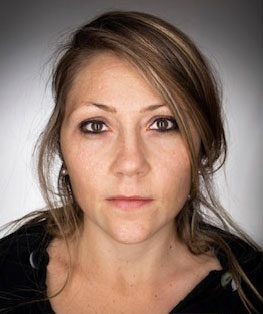
Gea Scancarello
Gea Scancarello is a journalist and author. She is currently working in the newsroom of the tv show In Onda (La7). She writes about politics and economic policy, beats she has long covered for outlets such as Business Insider, Pagina 99, and Lettera43. She helped launch in Italy Live Magazine; she has also served as editorial director of live content at the photojournalism festival Cortona on the Move and she co-founded the festival “Avanti, Popolo”. Her books include Non facciamo del bene (Donzelli, 2025, co-author), Questo lavoro non è vita. La lotta di classe nel XXI secolo, Il Caso GKN (Fuori Scena, co-author).
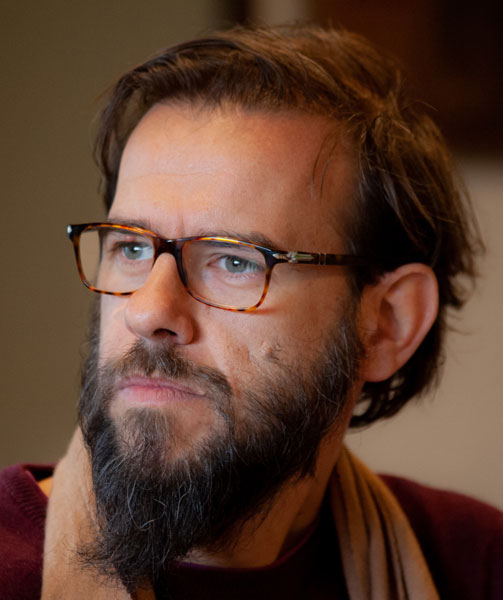
Andrea Segre
Andre Segre is film and documentary director and screenwriter, after a PhD in Sociology of Communication and Cultural Processes. He has directed five feature films, among which: Welcome Venice (Made in Italy Award Berlin 2022) and Berlinguer – La Grande Ambizione (nominated for 15 David di Donatello and 5 Nastri D’Argento awards). He has made numerous documentaries, invited to major international festivals, including Il Pianeta nel Mare, Molecole, Po, Trieste è bella di notte, Noi e La Grande Ambizione. Among his books: La Terra Scivola (Marsilio). He is a founding member of ZaLab, a production, distribution and socio-cultural action laboratory founded in 2006.
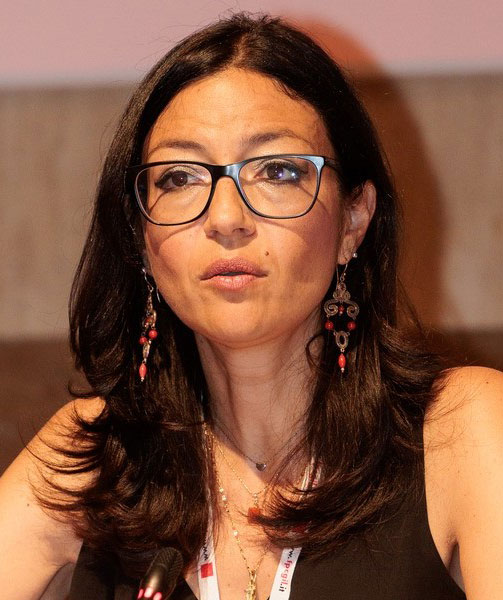
Serena Sorrentino
Since she was young, Serena Sorrentino, has been in the CGIL union and today she is President of the CGIL Fundamental Programme Commission. She has previously been: Secretary of the Naples Metropolitan Chamber of Labour with responsibility for welfare, labour market policies, bargaining in the local authority system and negotiated planning, responsible for gender policies for CGIL Nazionale, CGIL Confederal Secretary with responsibility for the labour market, southern Italy, legality and public sector bargaining, General Secretary of CGIL Public Service.
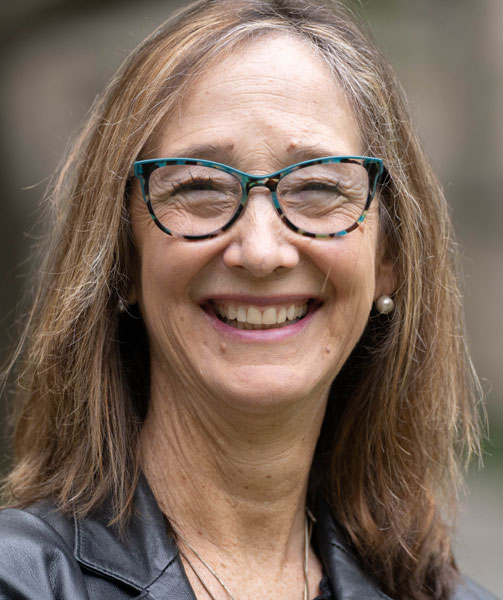
Susan Stokes
Susan Stokes is Tiffany and Margaret Blake Distinguished Service Professor of Political Science at the University of Chicago and Director of the Chicago Center on Democracy. She is President-elect of the American Political Science Association. She has written or coauthored books on democratic theory, distributive politics and clientelism, political behavior and participation, democratic erosion, and Latin American politics. Among her latest books: The Backsliders: Why Leaders Undermine Their Own Democracies (Princeton University Press, 2025), where she offers an explanation for the wave of democratic erosion or backsliding that has affected many countries in the early 21st century.
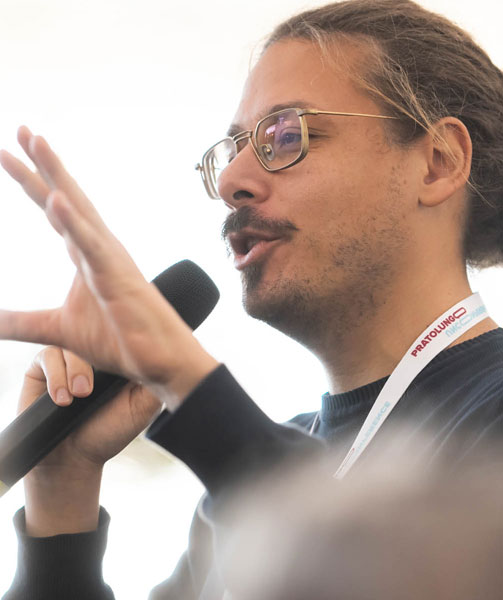
Carmelo Traina
Carmelo Traina, after studying engineering in Turin, co-founded Visionary, a national movement that involved over 100,000 young people, worked for years in marketing and communications, including at Talent Garden, and he then founded Plesh, a participatory software company. Today he coordinates the Centro Studi Giuseppe Gatì, which promotes the “right to stay”, and runs the Questa è la mia terra Festival. He is also responsible for communications at Isola Catania and Fondazione Marea, two organisations working to make Sicily a place where people can choose to stay.
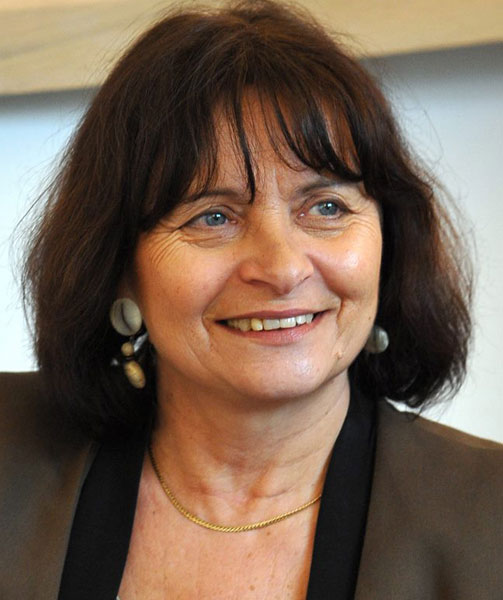
Nadia Urbinati
Nadia Urbinati is Professor of Political Theory, Columbia University in the City of New York, Department of Political Science and a member of the Accademia dei Lincei. She is present with her analyses in international and national publications and in the press. Among his most recent publications on the subject of democratic transformation: Democratizing AI (Manchester University Press, 2026), The Lottocratic Mentality: Defending Democracy Against Lottocracy (Oxford University Press, 2025), Me The People: How Populism Transforms Democracy (Harvard University Press, 2019).
Chiara Volpato
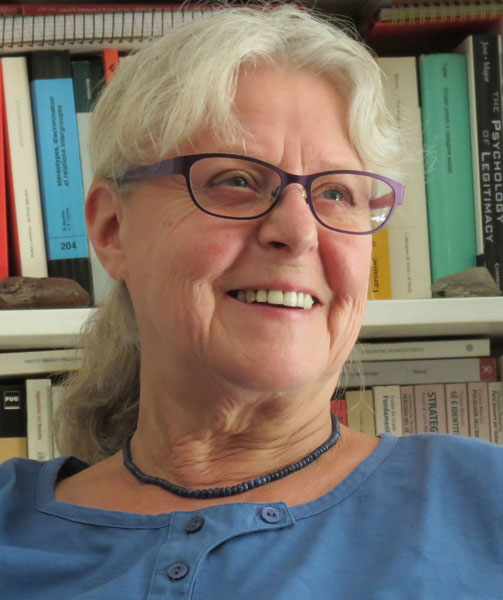
Chiara Volpato is a senior professor of Social Psychology at the University of Milano-Bicocca. Her research interests include intergroup relations, inequality, dehumanisation, prejudice and sexism. She has published: Psicosociologia del maschilismo (Laterza, 2022, Le radici psicologiche della disuguaglianza (Laterza, 2019), Deumanizzazione. Come si legittima la violenza (Laterza, 2011). She has curated: Raccontare le molestie sessuali. Un’indagine empirica (Rosenberg & Sellier, 2023).
Alessia Zabatino
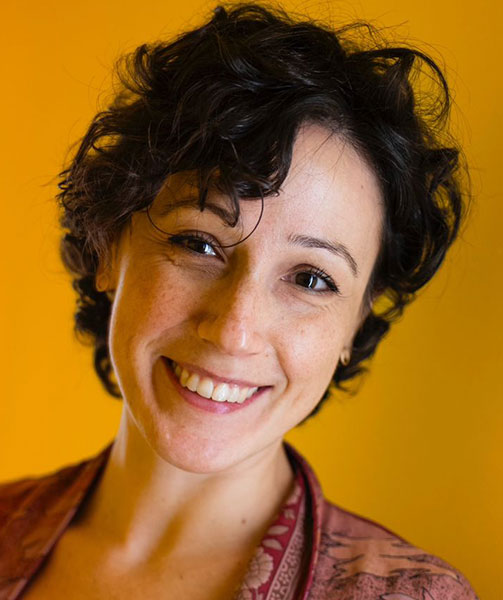
Alessia Zabatino is an art economist and PhD in Territorial Planning and Public Policy. She deals with human and territorial development policies and processes. She has worked as a designer for the National Strategy for Internal Areas. She collaborates with philanthropic and third sector organisations, research institutions and public administrations, in particular wth Fondazione Compagnia di San Paolo and Fondazione Con il Sud. She is part of the Forum Disuguaglianze e Diversità. She curated, with a co-author, Squarci. L’arte nella contesa per il senso comune (Fondazione Feltrinelli 2025).
Lorenzo Zamponi
Lorenzo Zamponi is an assistant professor of sociology at the Scuola Normale Superiore in Florence (Italy). His main research interests include social movements and collective memory. He has worked on research projects on student and anti-austerity movements, youth political participation, the economic crisis and solidarity with refugees. In the last few years he has mainly focused on climate movements. His research outputs have been published, among others, on Social Forces, Mobilization, Social Movement Studies, Journal of European Integration, Acta Politica and European Societies. He is author of three monographs: Social Movements, Memory and Media: Narrative in Action in the Italian and Spanish Student Movements (Palgrave, 2018), Resistere alla crisi. I percorsi dell’azione sociale diretta, (Il Mulino, 2019, with Lorenzo Bosi) e Resisting the Backlash: Street Protest in Italy (Routledge, 2022, with Donatella della Porta, Niccolò Bertuzzi, Daniela Chironi, Chiara Milan and Martín Portos). In 2018 he was among the founders of the magazine Jacobin Italia, of which he is a co-editor.
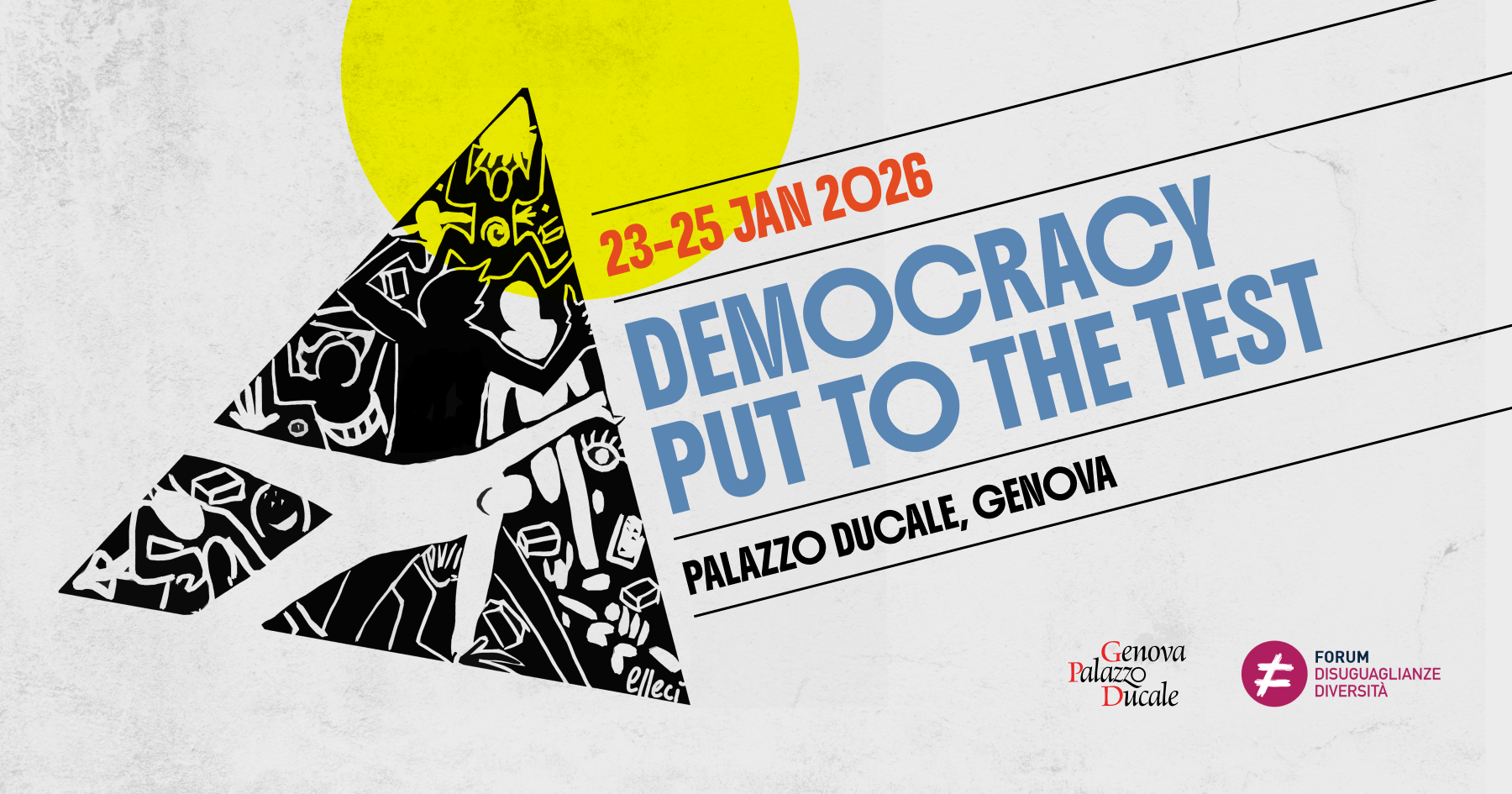
Forum Disuguaglianze e Diversità e Palazzo Ducale Fondazione per la Cultura promote a three-day event, curated by Fabrizio Barca and Luca Borzani, to understand the challenges to democracy and its capacity to react and regenerate itself. Guests include: Gaetano Azzariti, Vincent Bevins, Lucio Caracciolo, Massimo Florio, Jayati Ghosh, Evgeny Morozov, Serena Sorrentino, Susan Stokes, Nadia Urbinati, Chiara Volpato