Ecowelfare means acting with people – & in places – where poverty is created, so that the policy tools to accelerate the energy transition are aimed at combating social inequalities. A blog post by Giovanni Carrosio and Lorenzo De Vidovich on OECD Development Matters
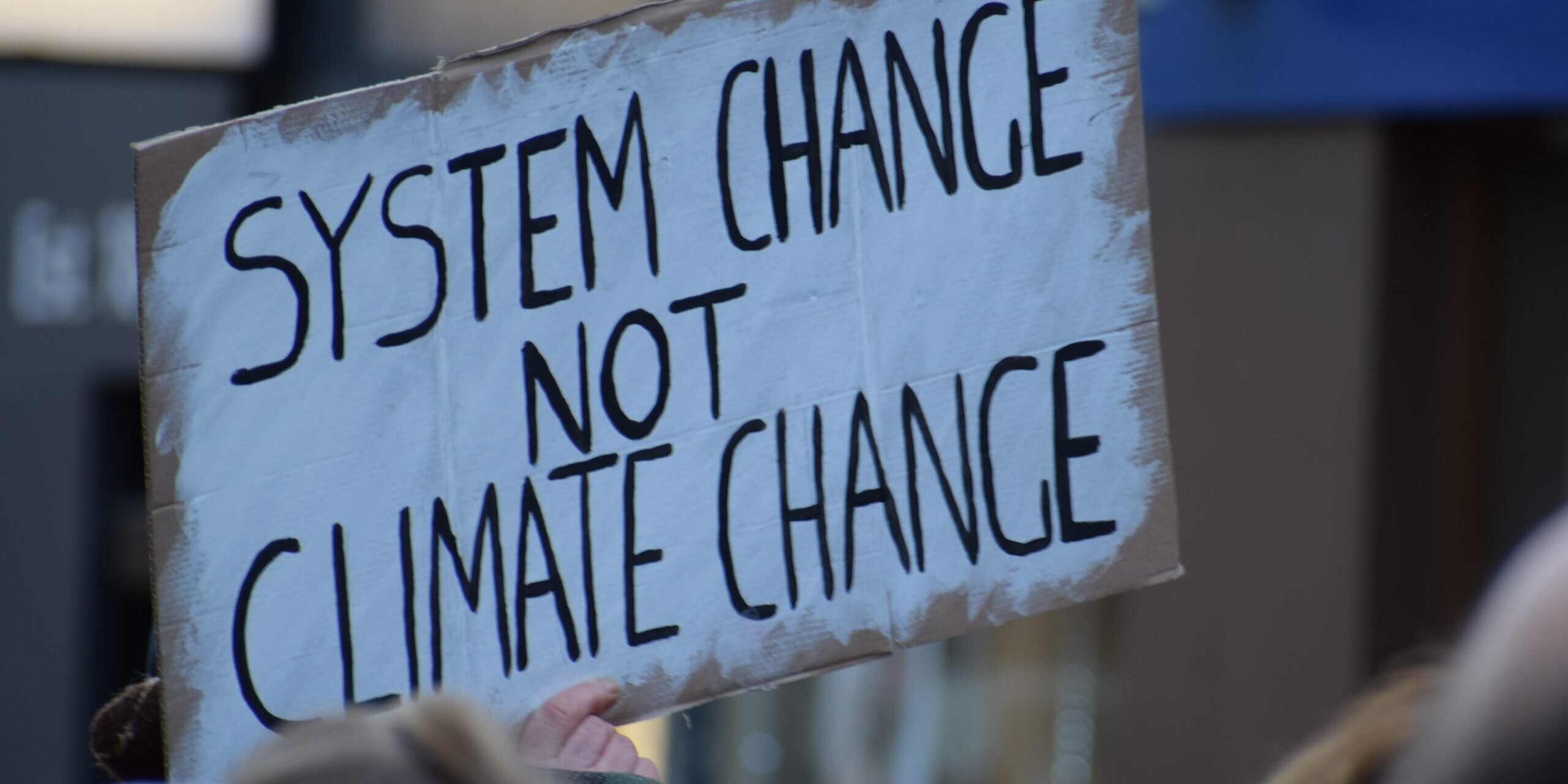
Some 1.4 billion people in the world are affected by energy poverty. Fifty million of these people are European citizens. Being unable to or facing constraints in satisfying basic needs such as cooking, lighting and heating, affect people’s quality of life and social mobility by exacerbating other forms of inequality. Energy poverty can have negative impacts on the quality of and access to education, can worsen people’s health, and can more generally limit peoples’ means of improving their living conditions. However policies to combat climate change and drive the ecological transition are often socially blind and perpetuate social inequalities. The eco-welfare framework can be used as a policy tool to align the ecological transition with social justice.
In recent years, efforts to address this challenge have multiplied. In 2011, the United Nations launched the Sustainable Energy for All (SE4ALL) initiative, with the aim of achieving universal access to energy by 2030 through a global increase in energy efficiency and production from renewable sources. Reducing energy poverty is also one of the Sustainable Development Goals (SDG 7).
Although the ecological transition is currently being mainstreamed in numerous national and international agendas, fair and equal access to energy systems is still an unresolved issue. While industrialised countries implement policies to combat climate change, there is a risk that these policies are neither aimed at social inclusion nor at fighting poverty.
ARTICOLI CORRELATI
L'editoriale di Elena Granaglia del settimo numero della newsletter “Quale Europa. Cronache per capire, discutere, scegliere”.
Un approfondimento dal settimo numero della newsletter “Quale Europa. Cronache per capire, discutere, scegliere”.